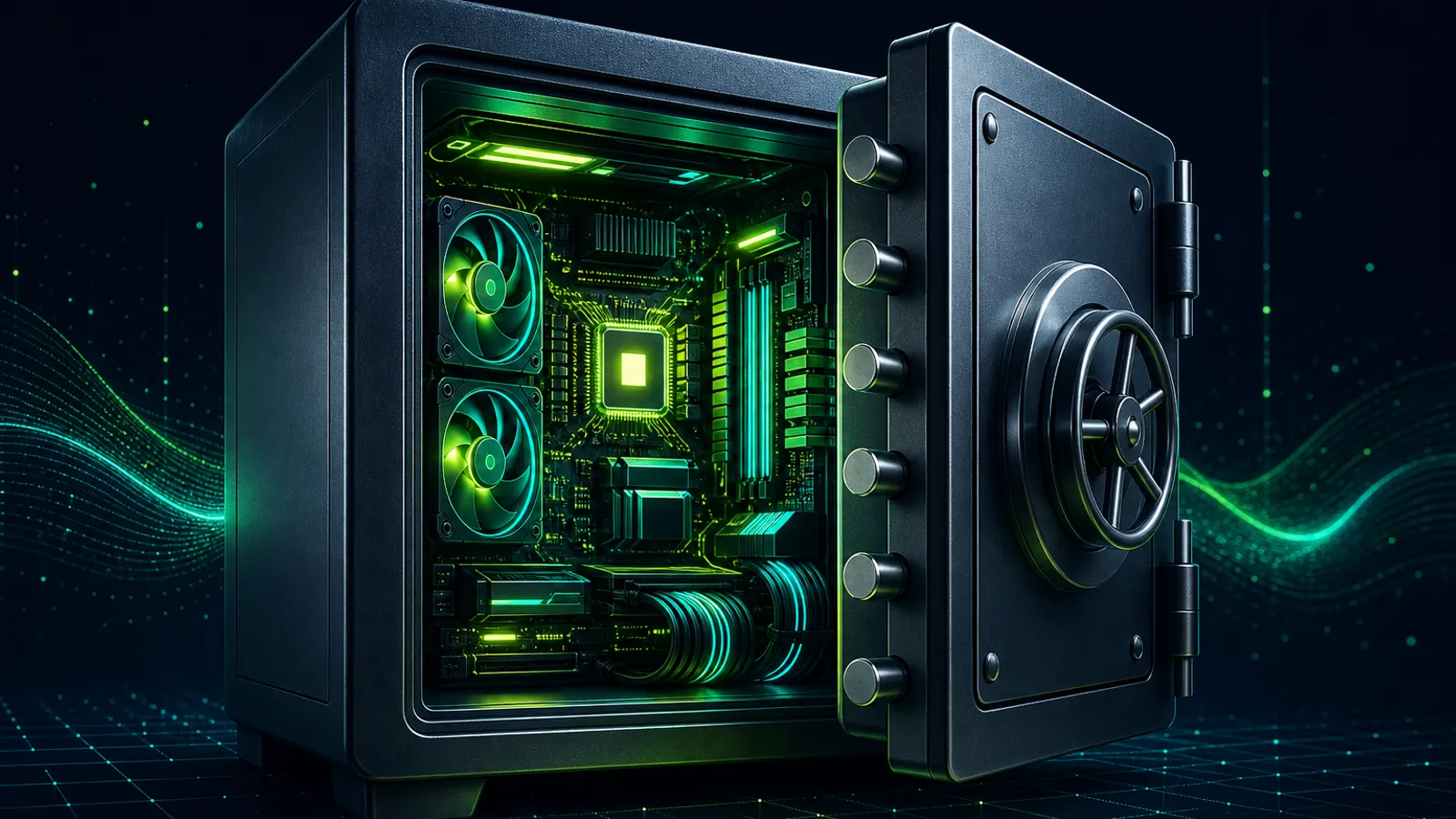
Tech coalition urges US government to protect open-weight AI models

A coalition of major technology firms has petitioned the US government to safeguard the development of open-weight artificial intelligence models. The group argues that downloadable weights are essential for maintaining transparency and competition, ensuring that innovation is not restricted to a handful of proprietary providers.

For enterprise teams, open-weight models offer a vital alternative to proprietary black-box APIs. This accessibility enables greater customisation, cost management, and control over data privacy when building production-grade applications on sovereign infrastructure.

  • Industry leaders claim open weights improve security through public scrutiny and peer review
  • The petition aims to prevent regulatory barriers that might favour large, closed-source systems
  • Open models allow developers to host and fine-tune systems on private hardware or cloud instances
Sovereign AI Generative AI Machine Learning
All AI news

More AI news

Models

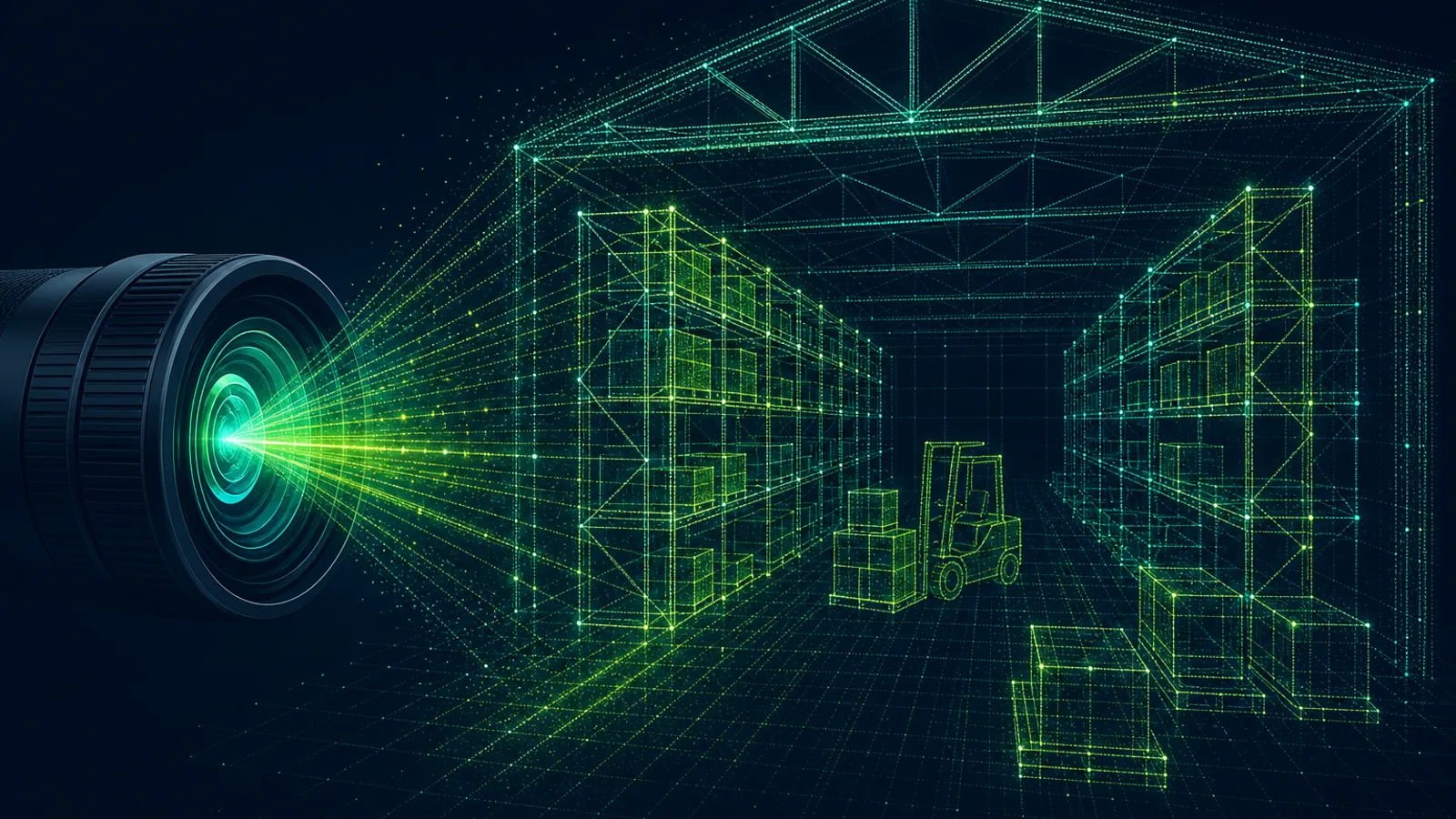
World Labs launches Atlas to move AI from language to spatial world models

World Labs has introduced Atlas, a spatial intelligence model designed to move beyond text based processing. Unlike traditional large language models, this system focuses on creating world models that comprehend and interact with 3D physical spaces. The technology provides AI with a foundational understanding of depth, physics, and spatial relationships.

Models

Modern CISOs shift focus to enable strategic risk and accelerate AI adoption

Security leadership is moving away from a traditional gatekeeper role to become an active enabler of business risk and innovation. This transition focuses on guiding the safe integration of artificial intelligence while fostering a culture of responsible experimentation across the enterprise.

Models

Lumia Lab scales latent space model to 8.9 billion parameters

LUMIA Lab has released the technical report for NCP-ArchPreview, an 8.9B parameter model trained on 5.73 trillion tokens. The model employs Next Concept Prediction to jointly predict tokens and latent representations, achieving performance parity with OLMo-3-7B while requiring significantly less data.

Ready to build something
extraordinary?

15 minutes. No pitch deck. Just a conversation about what AI can do for your team.

Talk directly with our AI specialists

15 min, no strings
No sales pressure
Prototype in 7 days