Unity releases official OpenAI Codex plugin to accelerate game development

Unity has launched an official plugin for OpenAI Codex, marking its second major first-party AI integration. The tool enables developers to generate code and automate editor tasks using natural language within the Unity environment. This release focuses on improving efficiency for creators building interactive 3D experiences.

This integration highlights the growing trend of embedding generative AI directly into industry-standard development tools. Enterprise teams can leverage these plugins to reduce boilerplate coding and accelerate the prototyping of complex spatial applications.

  • The plugin allows for direct interaction with OpenAI Codex from within the Unity Editor.
  • Users can write natural language prompts to produce functional C# scripts and automate workflows.
  • This move reinforces Unity's strategy to integrate advanced AI capabilities into its core development ecosystem.

AI Agents & Automation Generative AI Custom Software
All AI news

More AI news

Models

Turkey introduces EVREN national AI platform to keep sensitive data within borders

Turkey's Presidency of Defense Industries has developed EVREN, a dedicated national artificial intelligence platform engineered to process massive data workloads securely. The platform ensures that sensitive institutional data remains strictly within national borders during analytical computation and automated tasks.

Models

StepFun launches Step 5 Preview flagship model at a fraction of standard API costs

Chinese artificial intelligence firm StepFun has introduced its new flagship model, designated Step 5 Preview. Developers can already integrate the architecture, as commercial API access has been made immediately available. Early reports highlight that the system delivers flagship-grade performance at approximately one-seventh of typical operational expenses.

Models

Anthropic's Claude identifies new gene-editing enzyme system using 950 AI agents

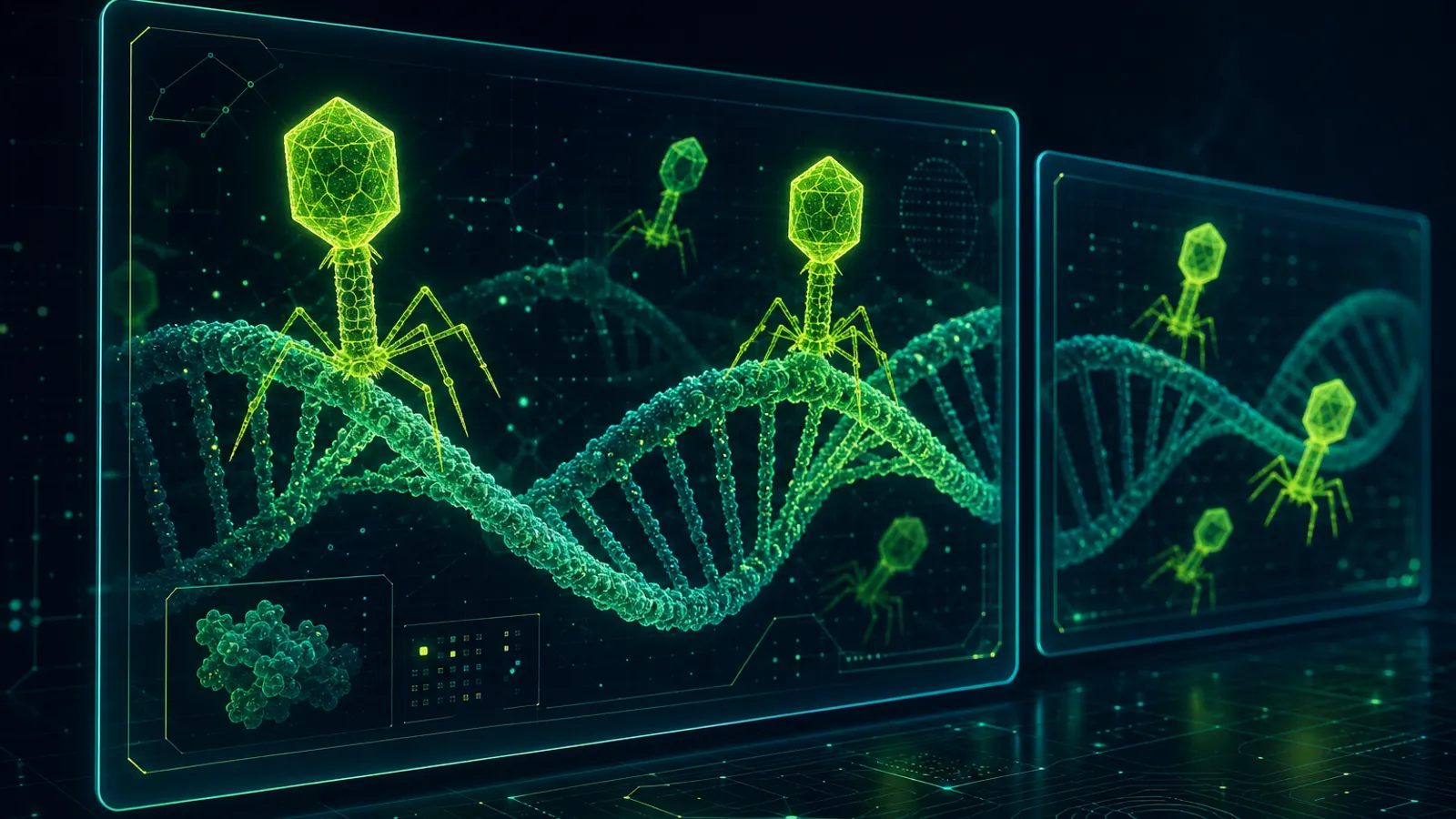
Anthropic revealed that its Claude model helped identify a previously unknown enzyme system in bacteriophage DNA, designated ART. Around 950 Claude agents worked in parallel to analyse more than 200,000 biological sequences before laboratory researchers verified the findings.

Ready to build something
extraordinary?

15 minutes. No pitch deck. Just a conversation about what AI can do for your team.

Talk directly with our AI specialists

15 min, no strings
No sales pressure
Prototype in 7 days